A unique experience that will keep you coming back again and again!
AN OASIS OF RELAXATION
HILL VIEW
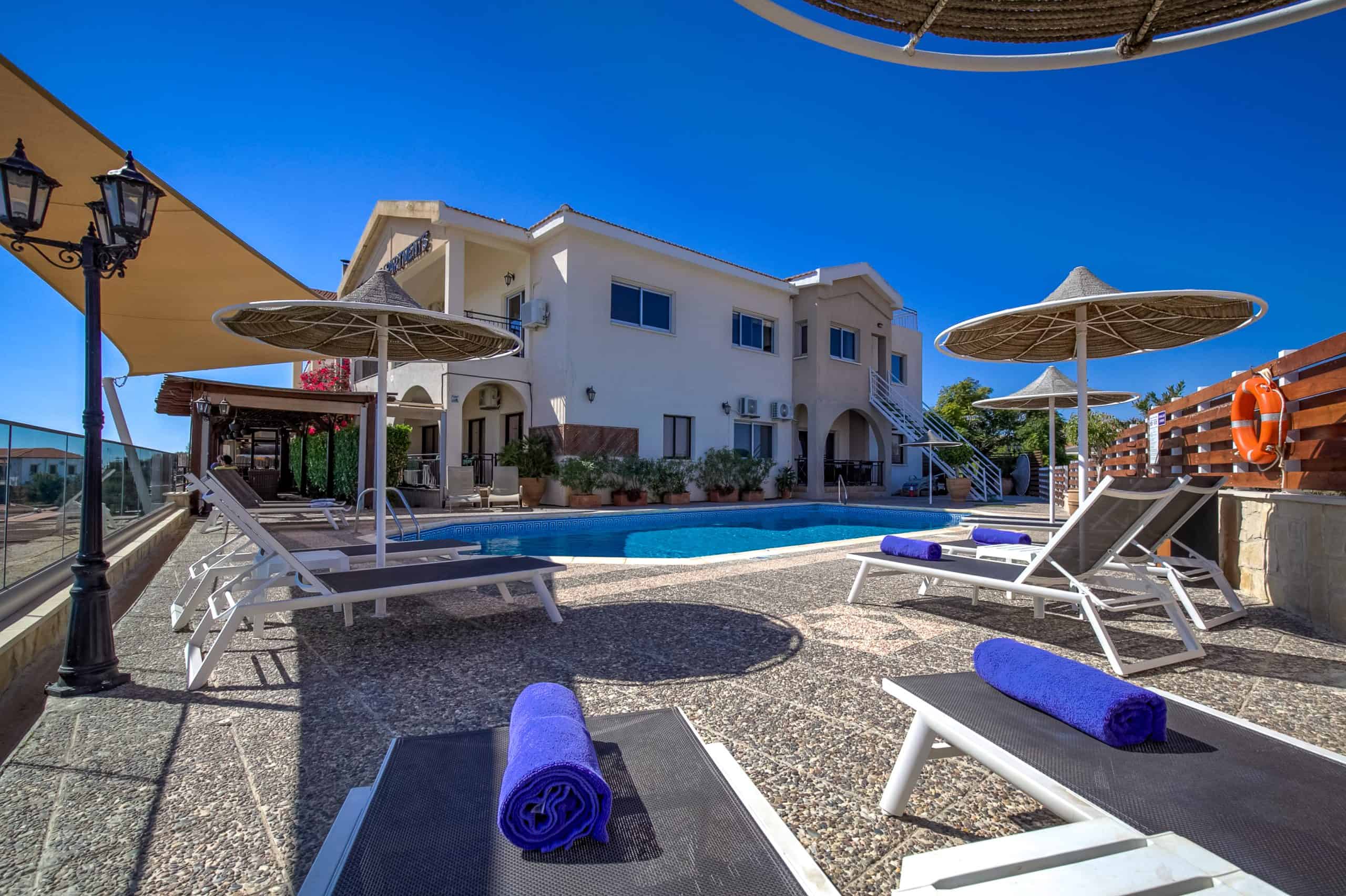
Hill View Apartments and Restaurant occupy a prime location at the highest point of Pissouri Village. Our Pissouri apartments and restaurant command views all around, across a vine filled valley to the endless Mediterranean coast in the south and in the north to the lovely Troodos mountain range.
Hill View hotel in Pissouri, comprises of luxurious, spacious and well-equipped apartments, each one benefiting from the views and breeze that our position catches so well. Our quiet pool overlooking the Pissouri village adds the final touch to an easy and comfortable stay.
One of the most attractive tourist destinations on the island
Unique Experiences Await
Unique Experiences Await
For those seeking that idyllic getaway, Hill View Apartments and Restaurant is the ideal choice
RESTAURANT
DINE AT THE TOP
An all-in-one experience where delicious food, ideal ambiance, efficient service and scenic views fuse together
to create the perfect gastronomic experience.
We undertake the entire planning & hosting of your wedding or event (up to 100 people). You can be rest
assured that your day will be all you have imagined.
Pissouri has long been one of the most attractive tourist destinations on the island, attracting tourists who seek
to discover and explore the charming village and its surrounding areas